
Glazing & Surface Effects
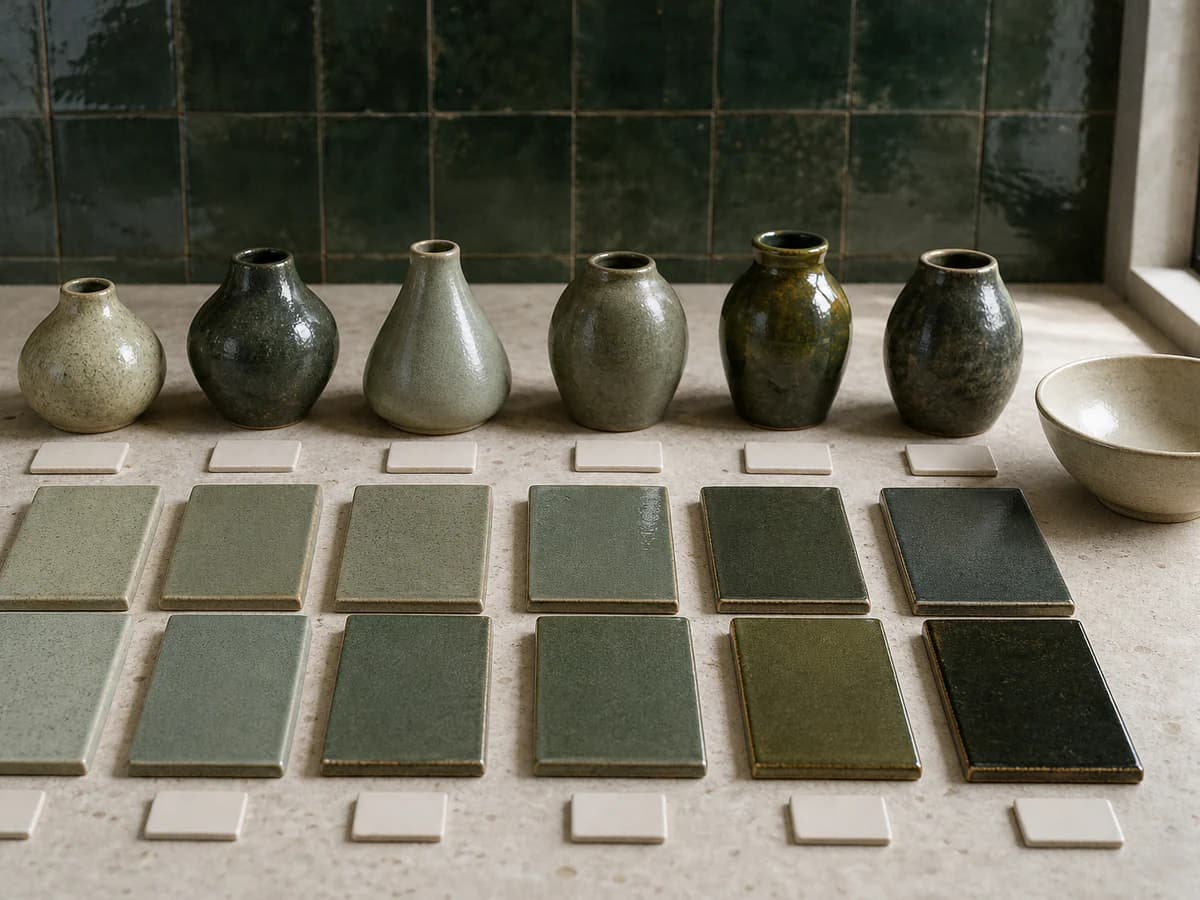
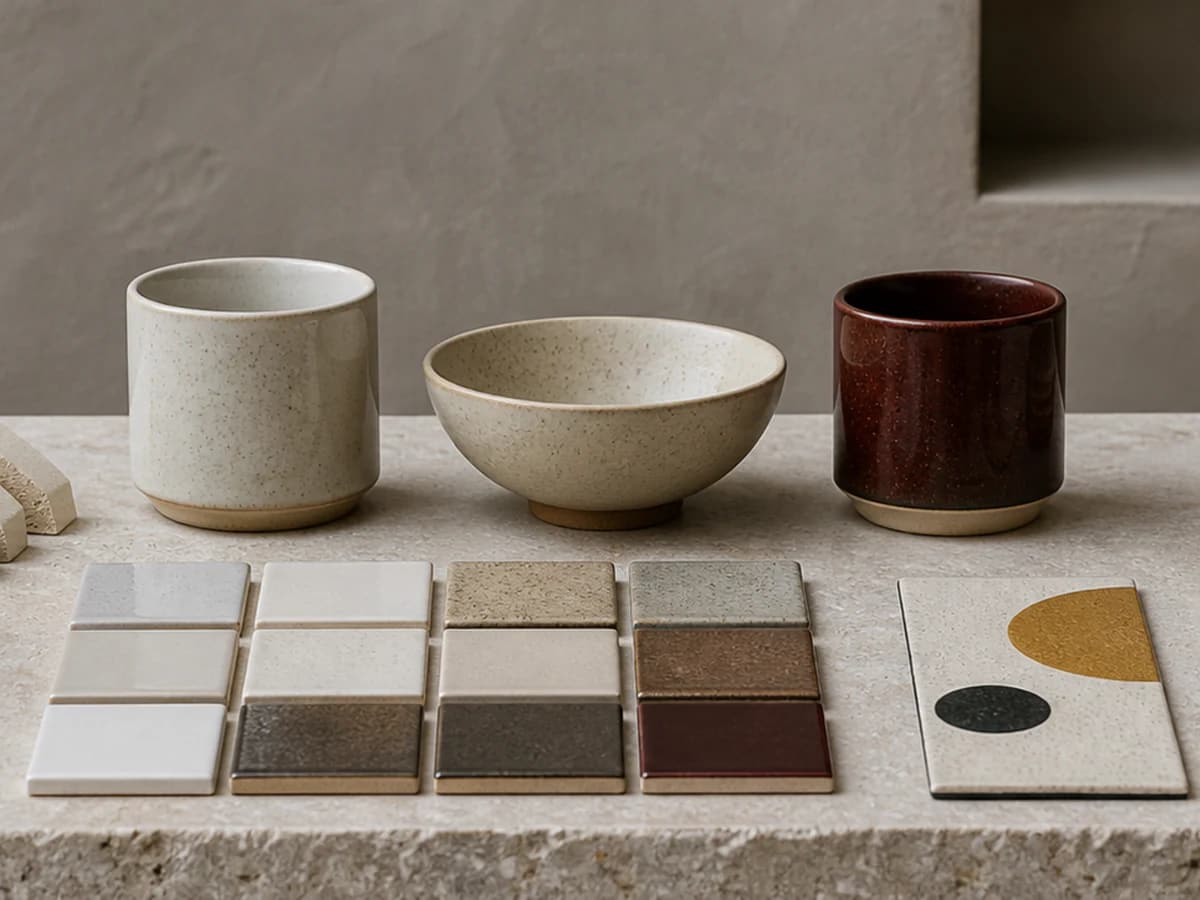
Develop color, texture and acceptable variation through physical samples.
Gloss, matte, colored, gradient, reactive, textured and metallic directions behave differently across ceramic bodies and forms. Final color, gloss, feel, texture and acceptable variation are confirmed on physical samples.
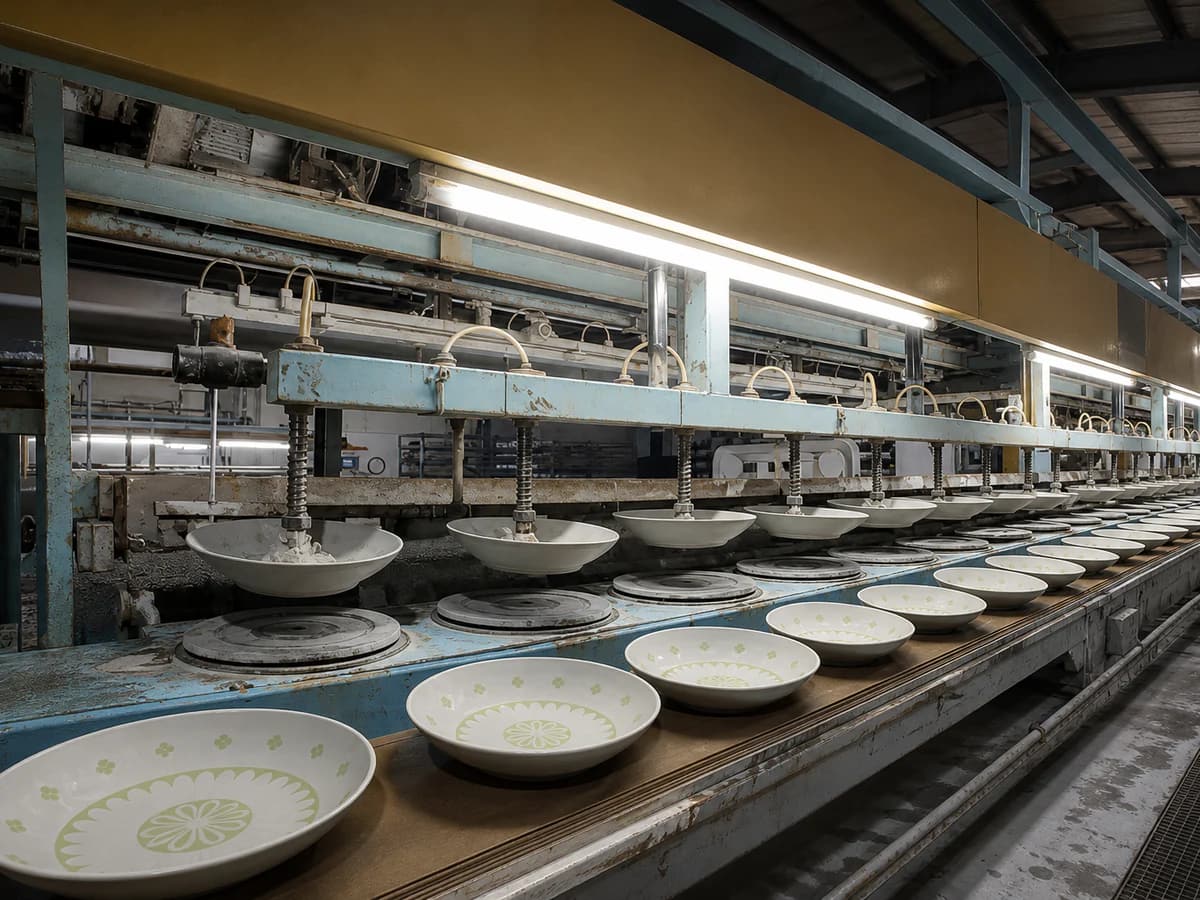
Surface development
Build a controlled reference for color, texture and variation.
- 01
Visual Direction
Define gloss, matte, translucency, texture, movement and color relationships.
- 02
Product Compatibility
Review curves, edges, recesses, contact areas and intended use.
- 03
Sample Record
Identify samples, viewing conditions, comments and the current approved reference.
- 04
Variation
Agree how natural or process-related variation will be compared and judged.
Appearance approval
Digital color cannot approve the final glaze.
Glaze is confirmed on the intended ceramic body through identified physical samples, agreed viewing conditions and a recorded acceptable range.
Selected references
See relevant form and surface directions.
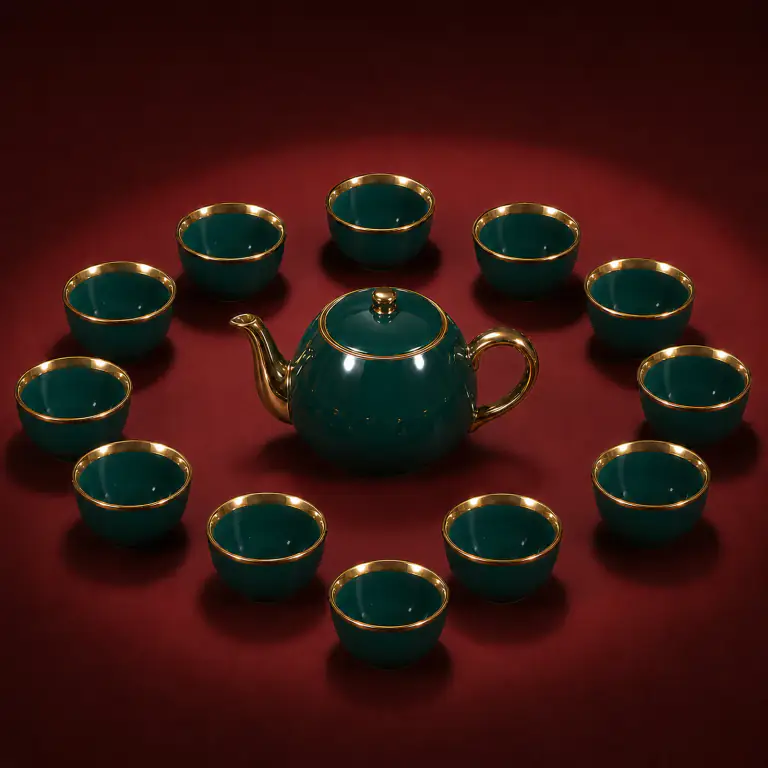 C-2Green Glazed Tea SetSmooth glaze
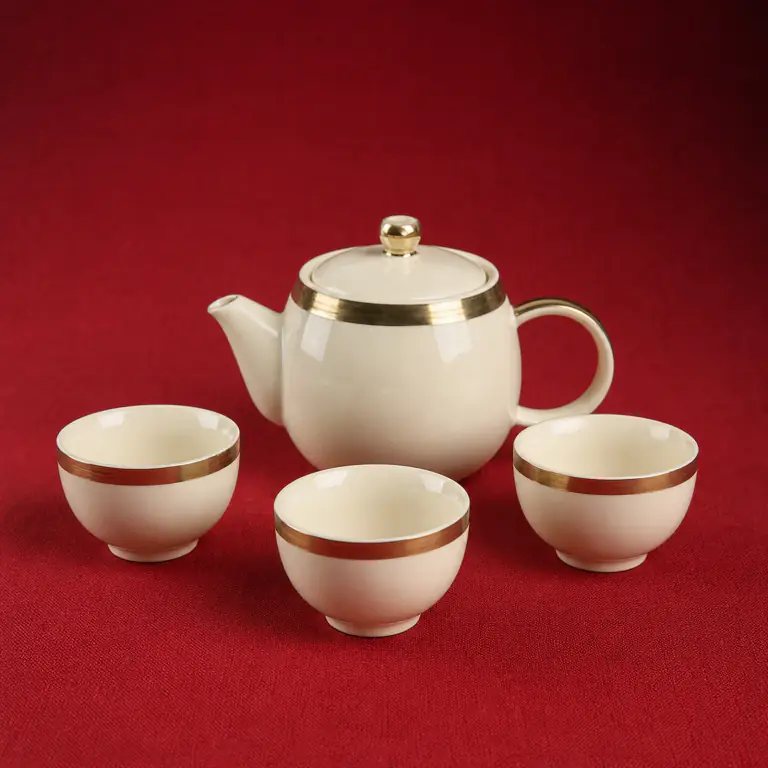 C-3Ivory Glazed Tea SetSmooth glaze
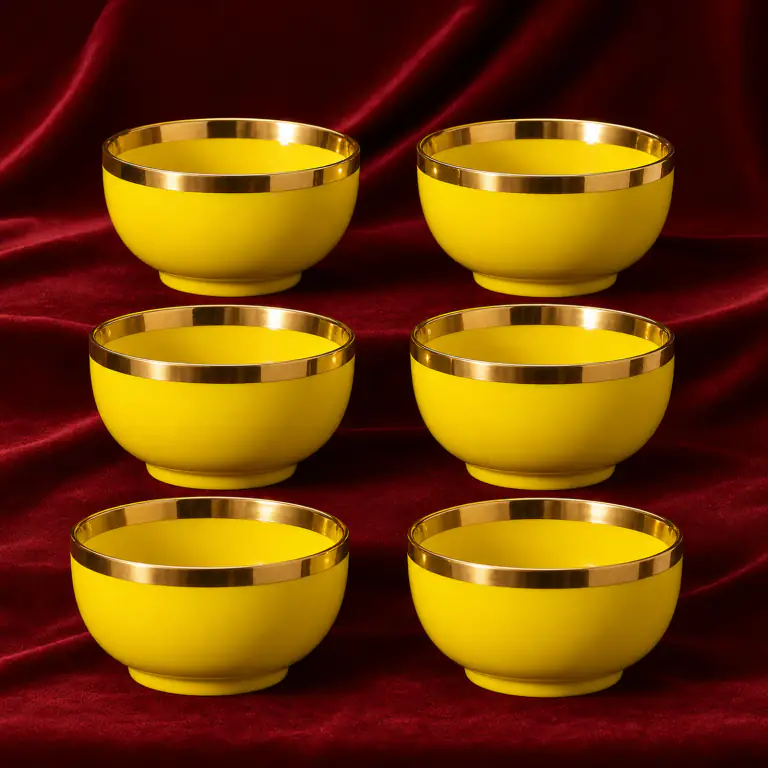 C-9Yellow Glazed Tea BowlsSmooth glaze
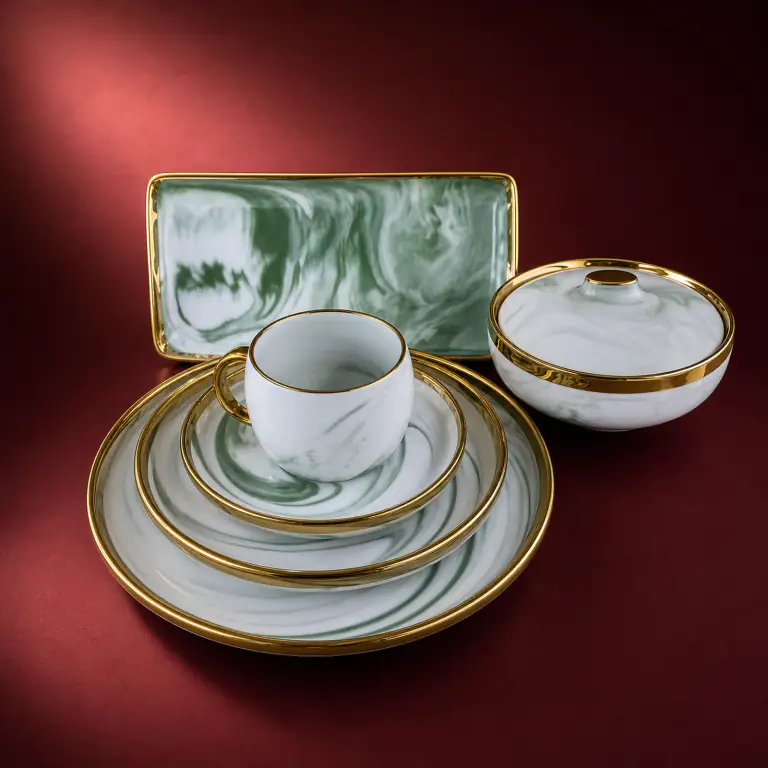 E-1Green Marble TablewareMarble effect
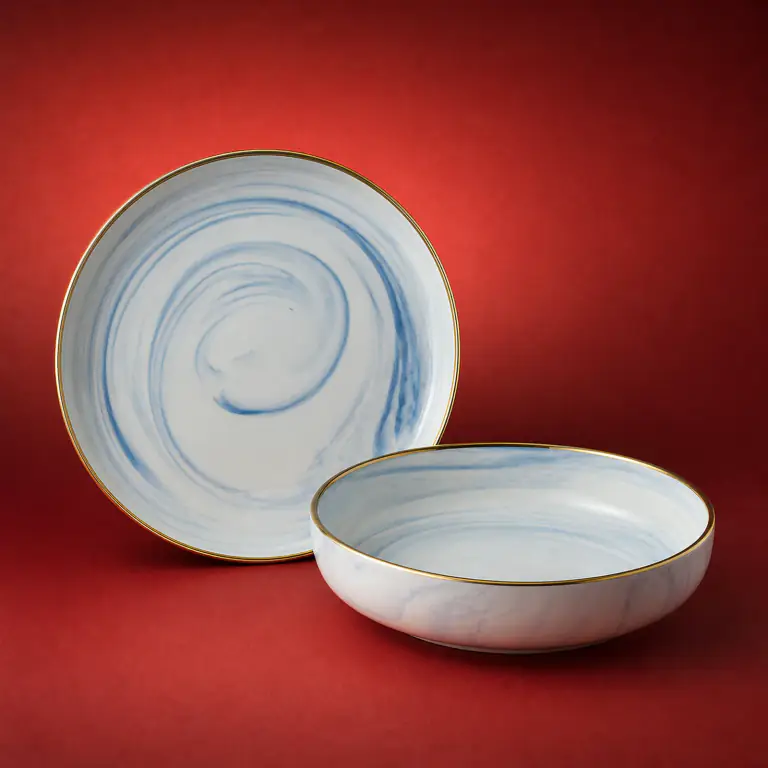 E-3Blue Marble TablewareMarble effect
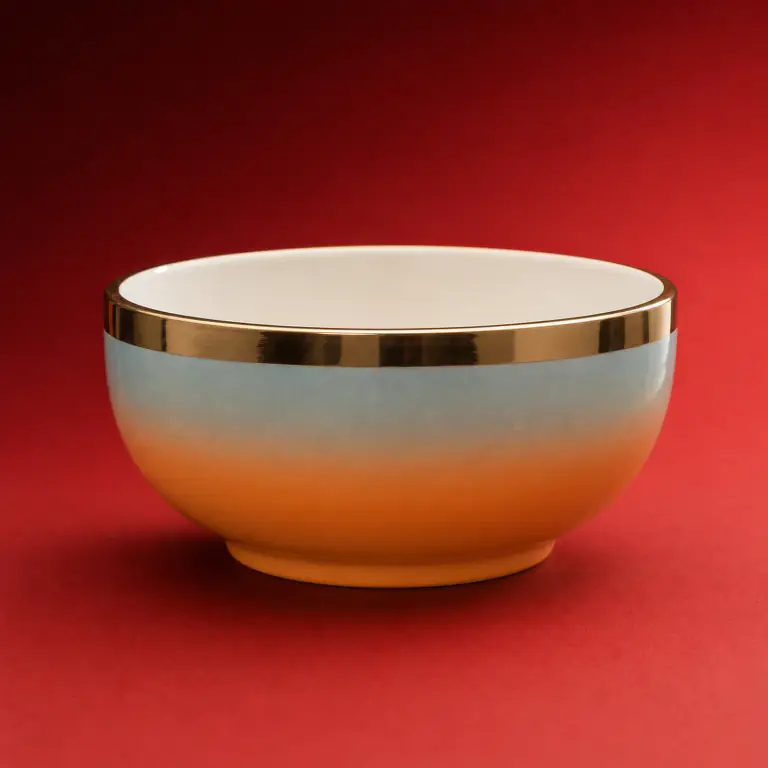 G-6Warm Gradient Tea BowlSprayed color
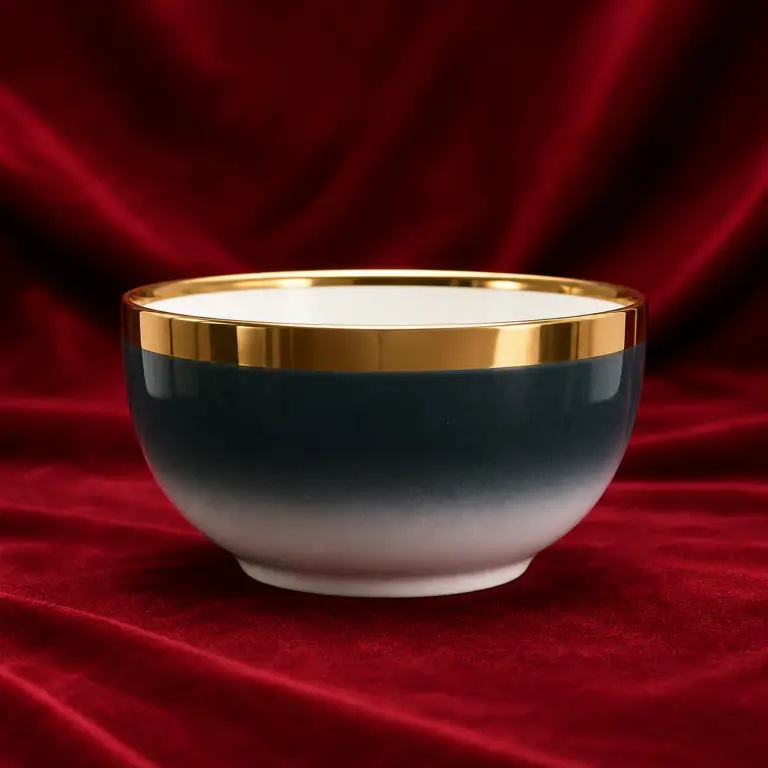 G-7Dark Gradient Tea BowlSprayed color
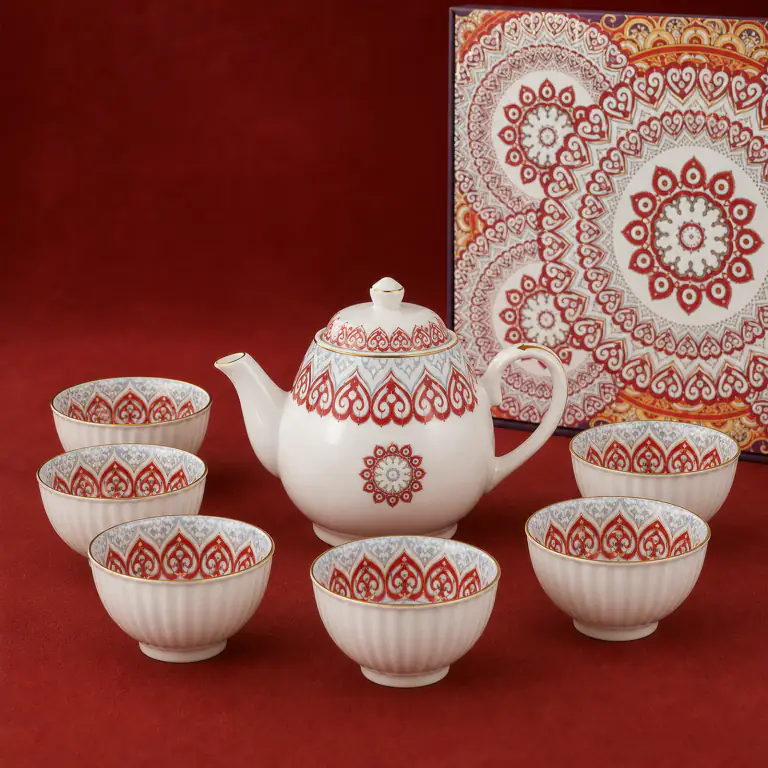 M-1Red Overglaze Color Tea SetOverglaze color
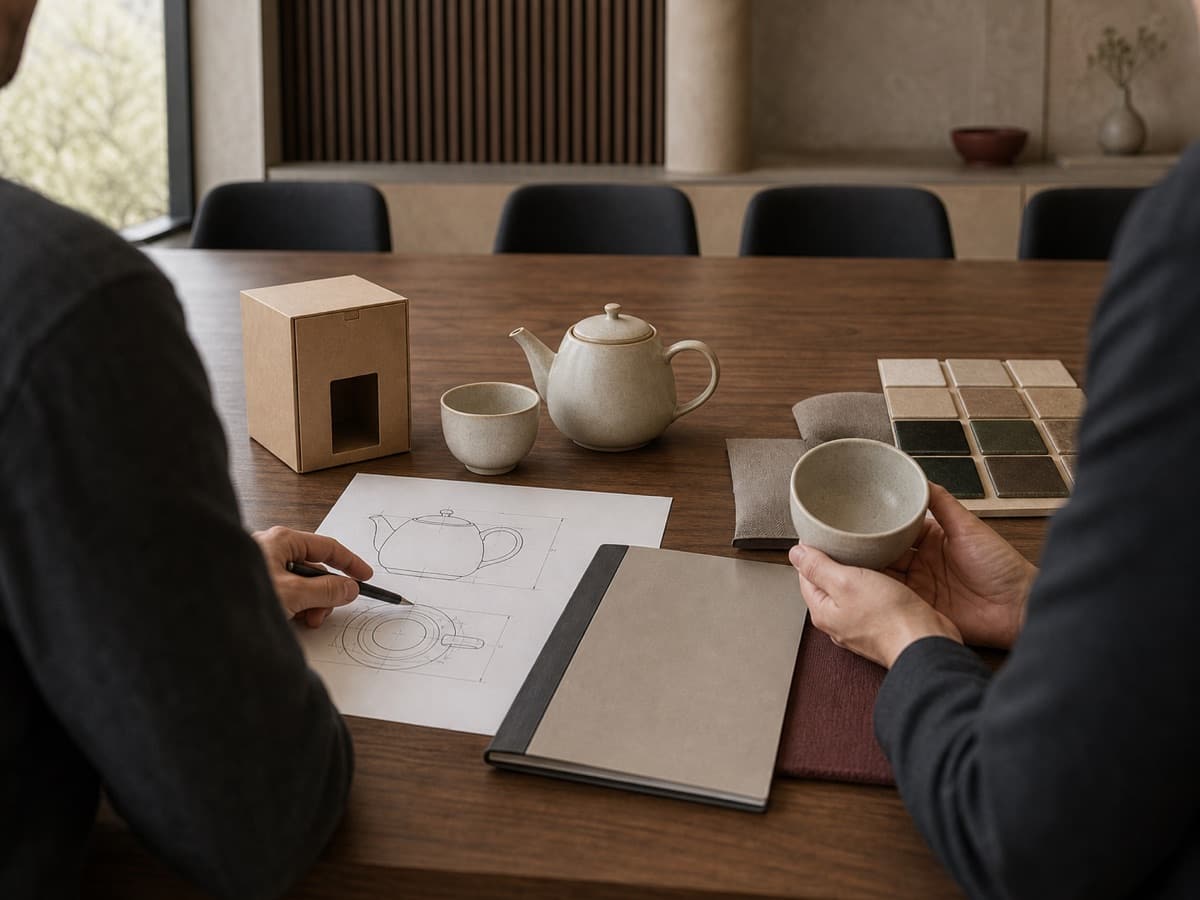
Begin the technical conversation
Turn the information you have into the next project questions.
The brief does not need to be complete. Share what is available and identify the remaining technical and commercial inputs together.