
Ceramic Teapots
A teapot should feel complete in form and natural in use.
Tayking develops ceramic teapots by confirming body, spout, handle, lid, capacity, foot, wall and decoration as one product, with companion cups, bowls and packaging developed when required.
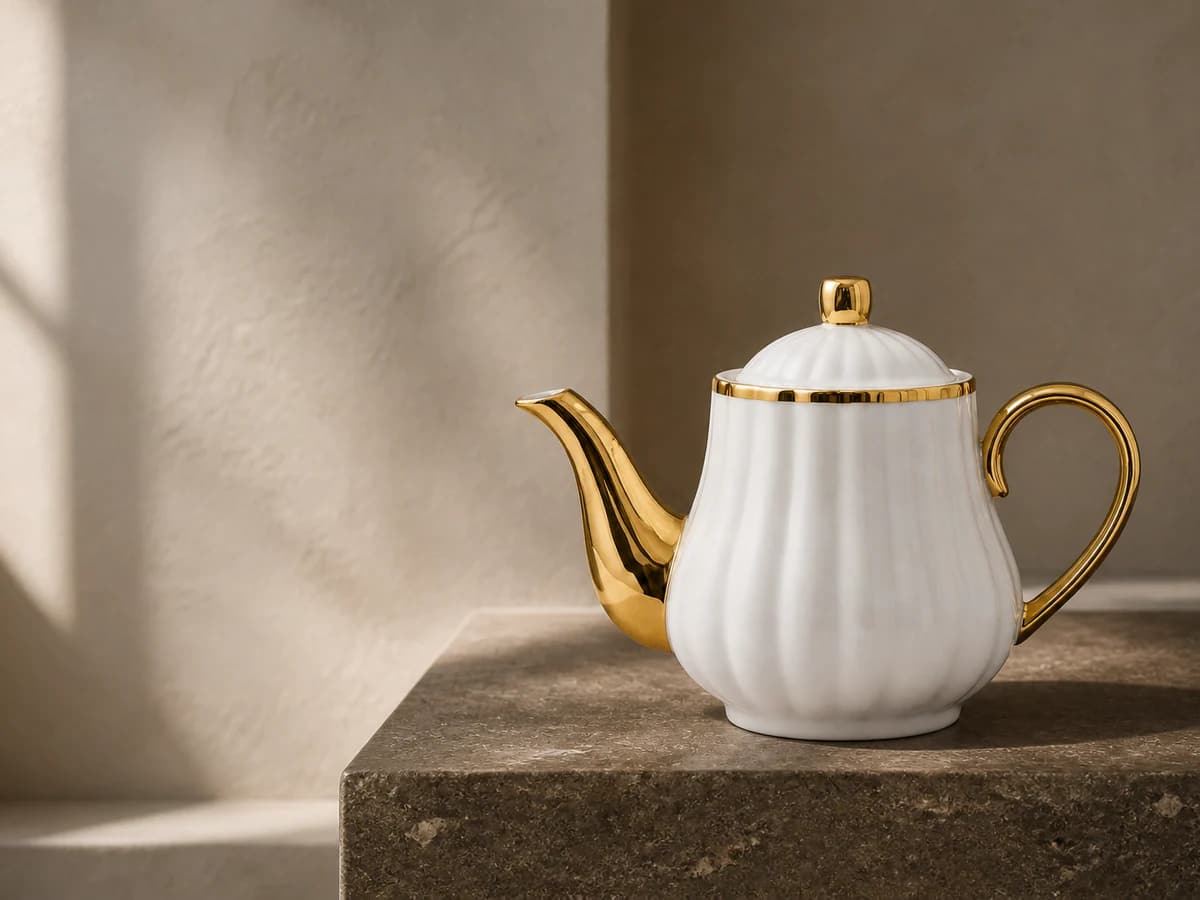
Keep the design character. Resolve real function.
A project can begin from a sketch, reference product, existing mould or market-specific form. Overall proportion, capacity, opening, lid seat, spout path, handle space and balance become clear product requirements.
Functional checks
Pouring
Review flow direction, cut-off and the intended pouring action.
Grip & Balance
Review handle clearance, leverage and filled-product balance.
Lid Fit
Define the relationship between lid, seat and opening for stable use.
Foot & Stability
Confirm stable placement while preserving the intended silhouette.
One form can express different market directions.
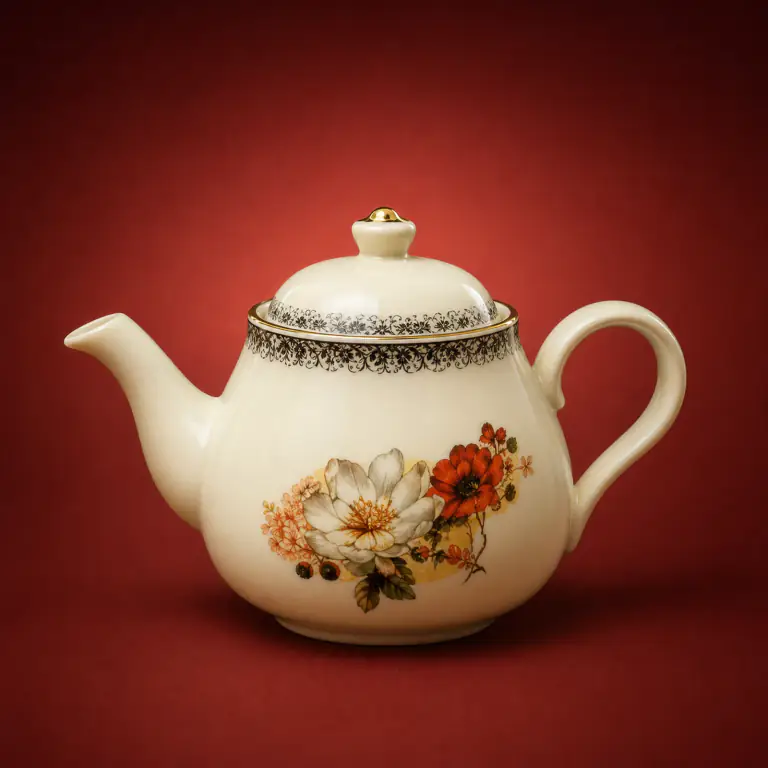
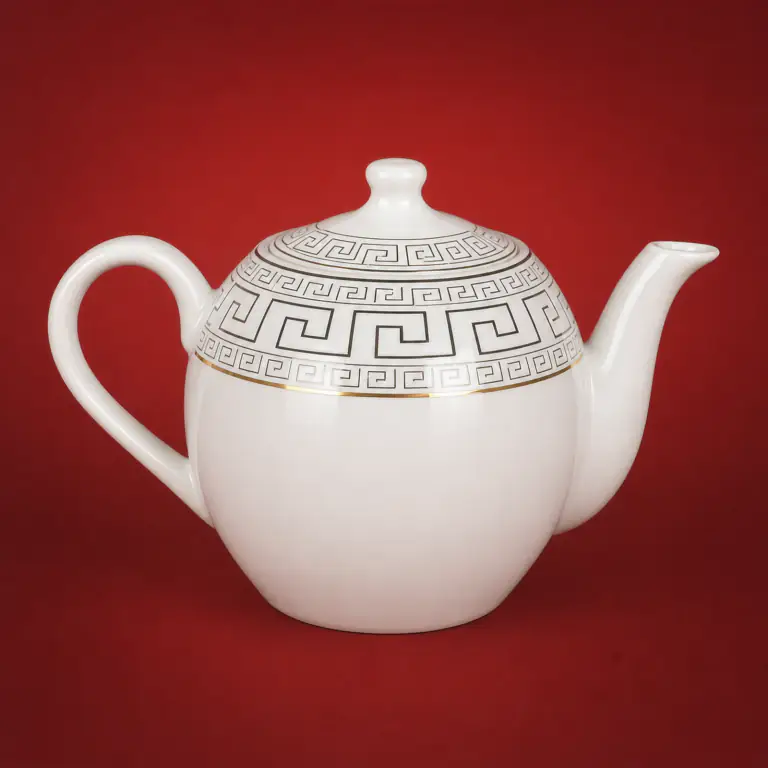
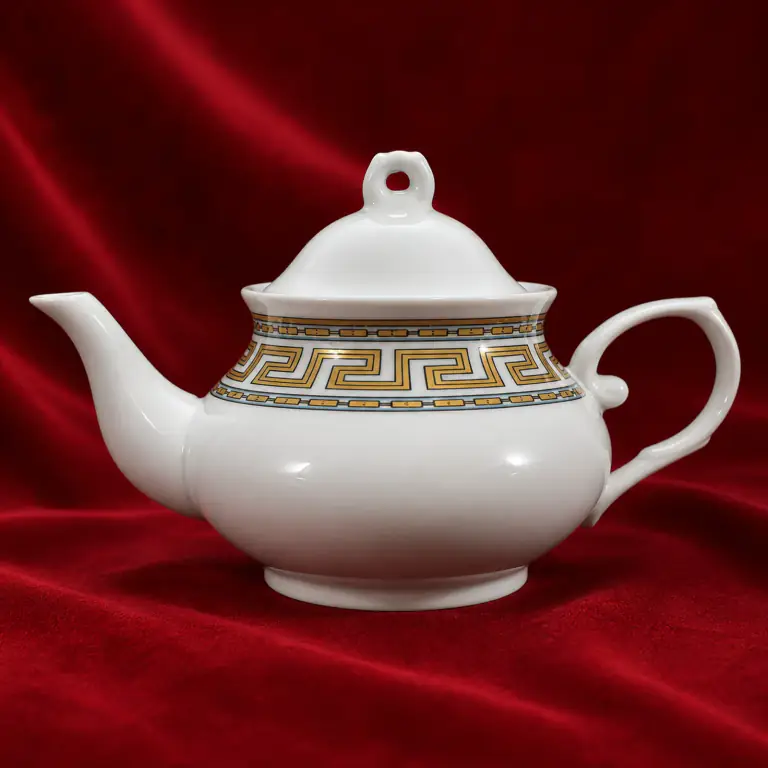
Glaze, relief, decal, gold, spray color and metallic decoration can create different expressions. Final appearance is based on agreed physical samples.
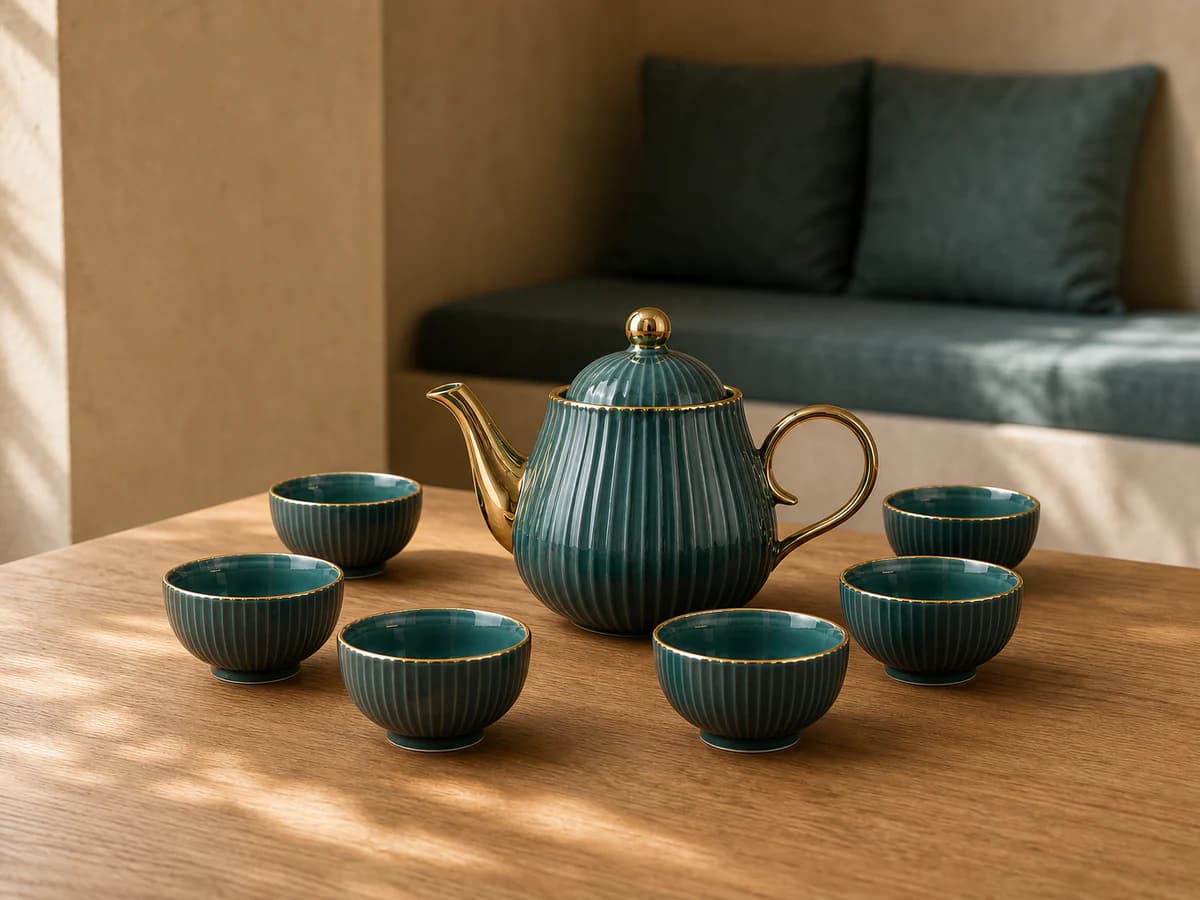
Extend one teapot into a complete collection.
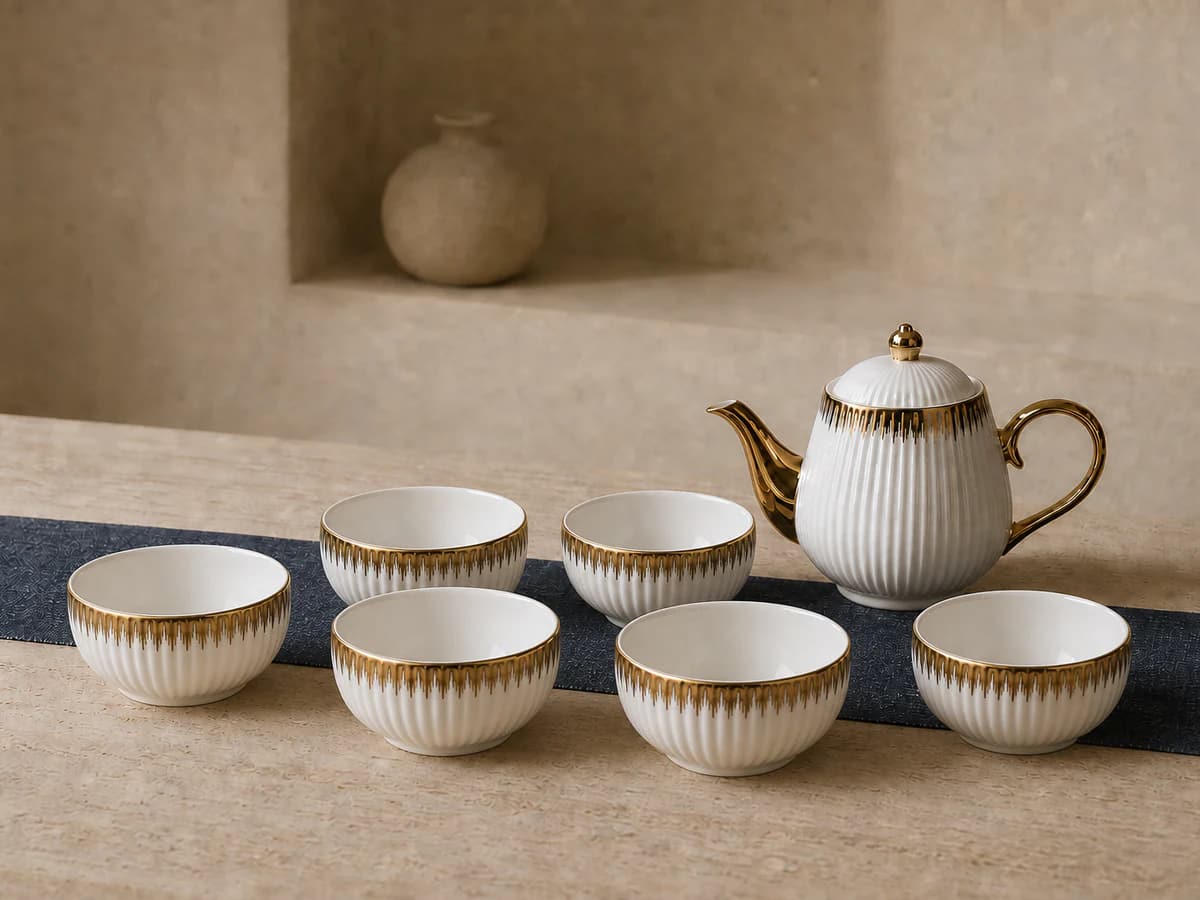
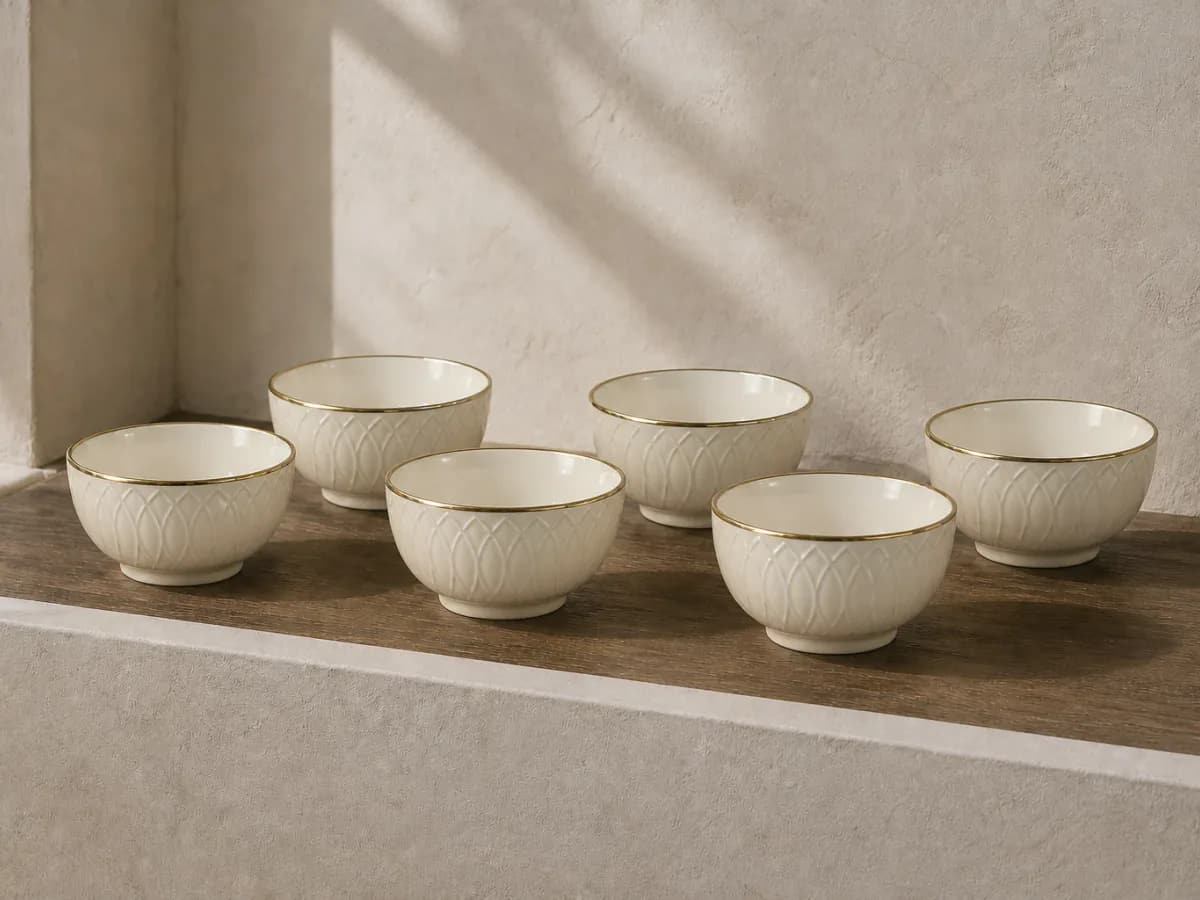
Companion cups, bowls, trays, saucers and gift boxes can continue the same proportion, color and decoration logic.
FAQ
Ceramic Teapot Questions
Can a review start from an image or physical sample?
Yes. Dimensions, capacity, component relationships, surface direction, quantity and use requirements are then clarified before tooling, quotation or sample approval.
Which parts need confirmation?
At minimum: body, spout, handle, lid, opening, capacity, foot, surface and companion pieces. The exact checks depend on the form and use.
Can one form use several glazes or patterns?
They can be evaluated. Compatibility with curves, use positions and process sequence must be confirmed through physical samples.
Selected references
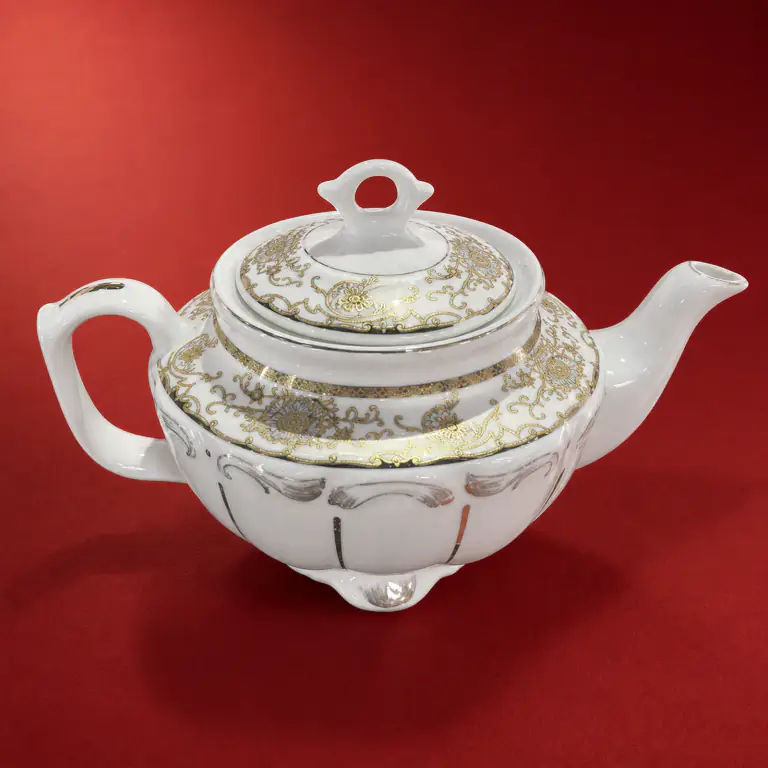
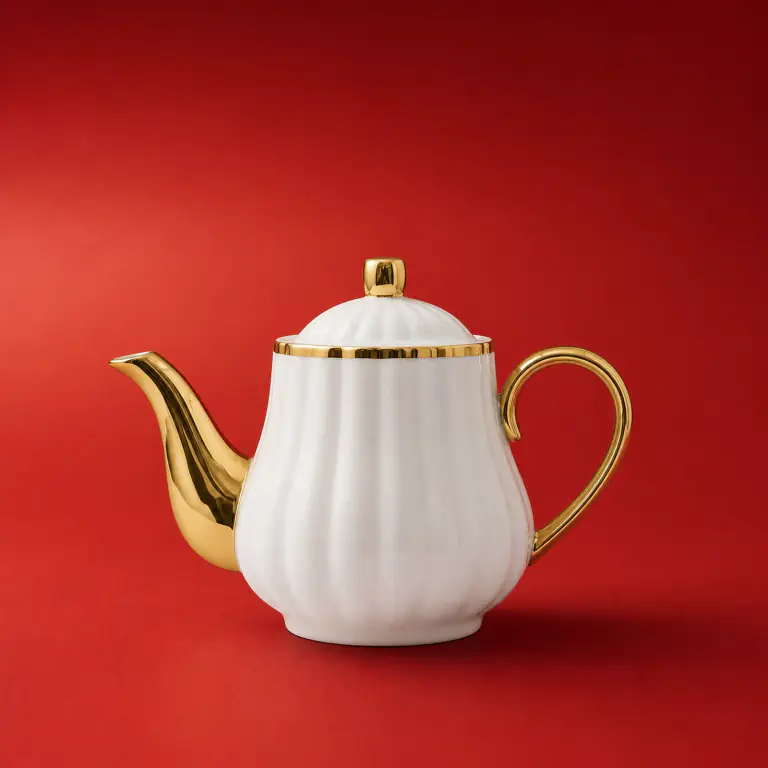
See relevant form and surface directions.
Project next step
Bring the product goal. Build the manufacturing path together.
Share the product, quantity, market and timing information already available to identify the appropriate manufacturing path.